
IRF 2026 Preview: Road Safety Moves Toward a System-Wide Approach
October 24, 2026
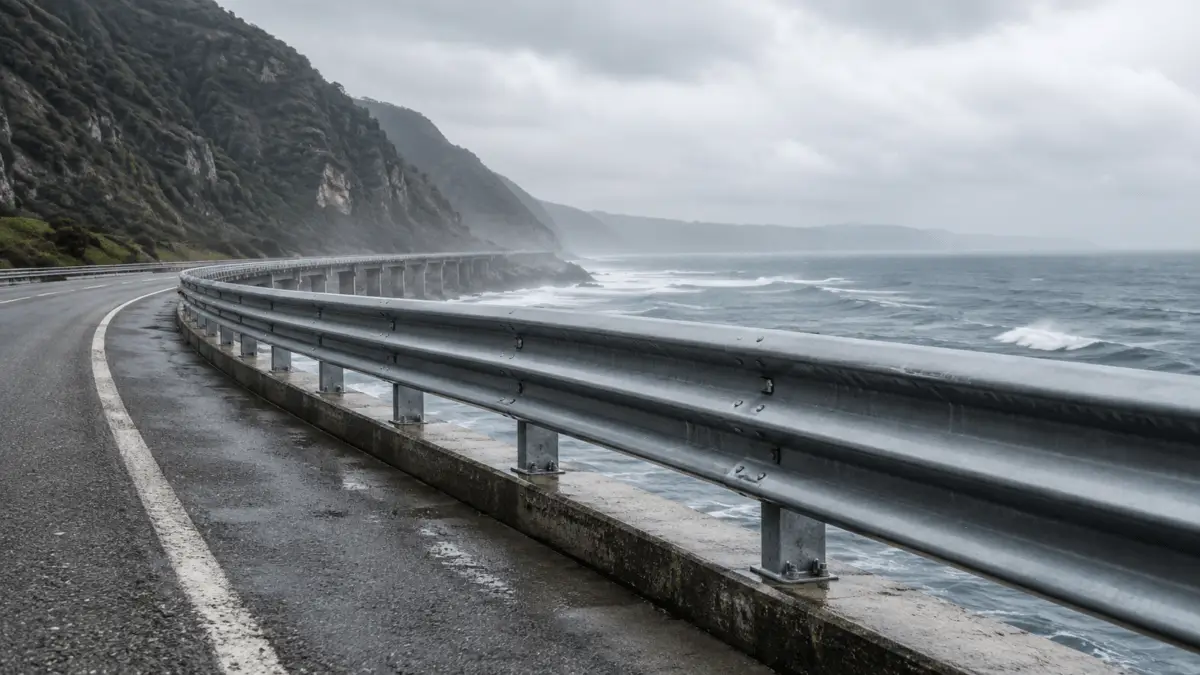
A vehicle impact can damage a bridge guardrail in seconds. Water exposure, blocked drainage and trapped debris can affect steel components gradually over years. These are different maintenance risks: one calls for prompt assessment after an incident; the other requires routine attention to drainage and the surrounding environment.
What resilience means for guardrail maintenance
A 2026 study in Transportation Engineering proposed a method for assessing the safety resilience of bridge crash barriers. Applying its framework to the Jiujiang Yangtze River Bridge, the researchers rated that case as having a “relatively high” resilience level. They identified collision-energy absorption and drainage performance as areas for further improvement in ongoing maintenance. The result belongs to that case and assessment method; it is not a safety rating for other bridges or products. Read the study record and abstract.
After impact: check the system, not just the visible dent
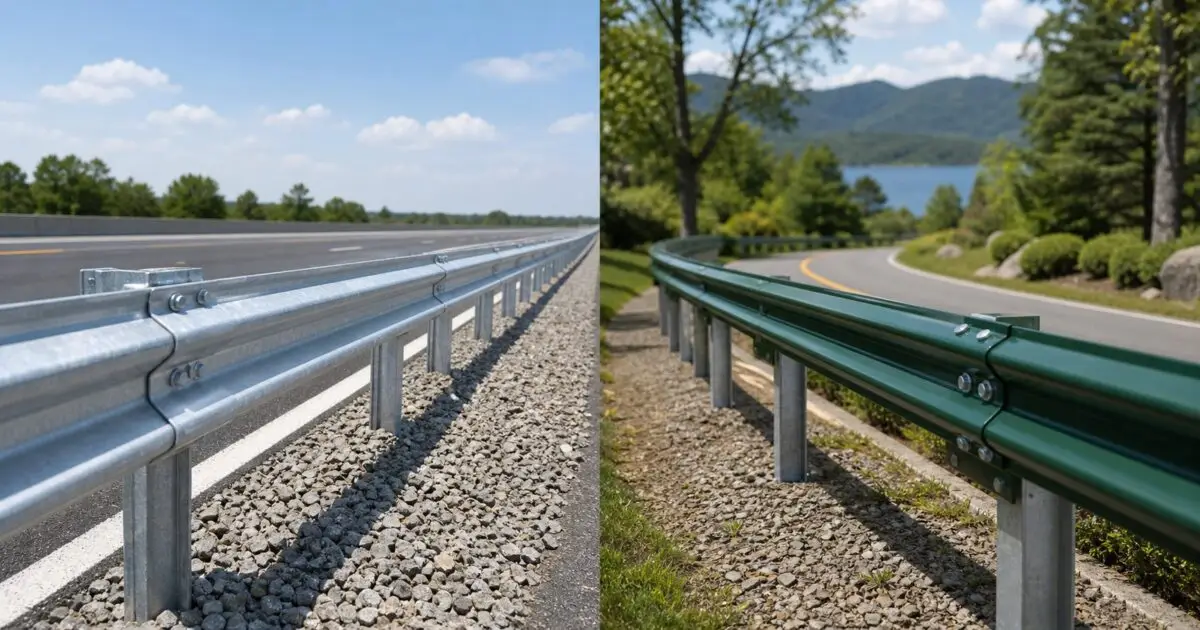
After a collision, a bent or broken rail is only one part of the assessment. The affected section needs to be reviewed against the installed barrier system, including its beam profile, posts, connections and project requirements. Recording the impact location, observed damage, inspection findings, repair decision and follow-up check helps establish what was done and whether the section was returned to the required condition. Inspection scope and repair decisions should be set by the responsible project parties.
For suppliers, the practical contribution is accurate component identification and configuration information. When replacement parts are considered, drawings, connection details and product records can help the project team check compatibility with the existing system. A supplier should not prescribe a field repair that changes an approved configuration without project approval.
Drainage and moisture: a slower maintenance risk
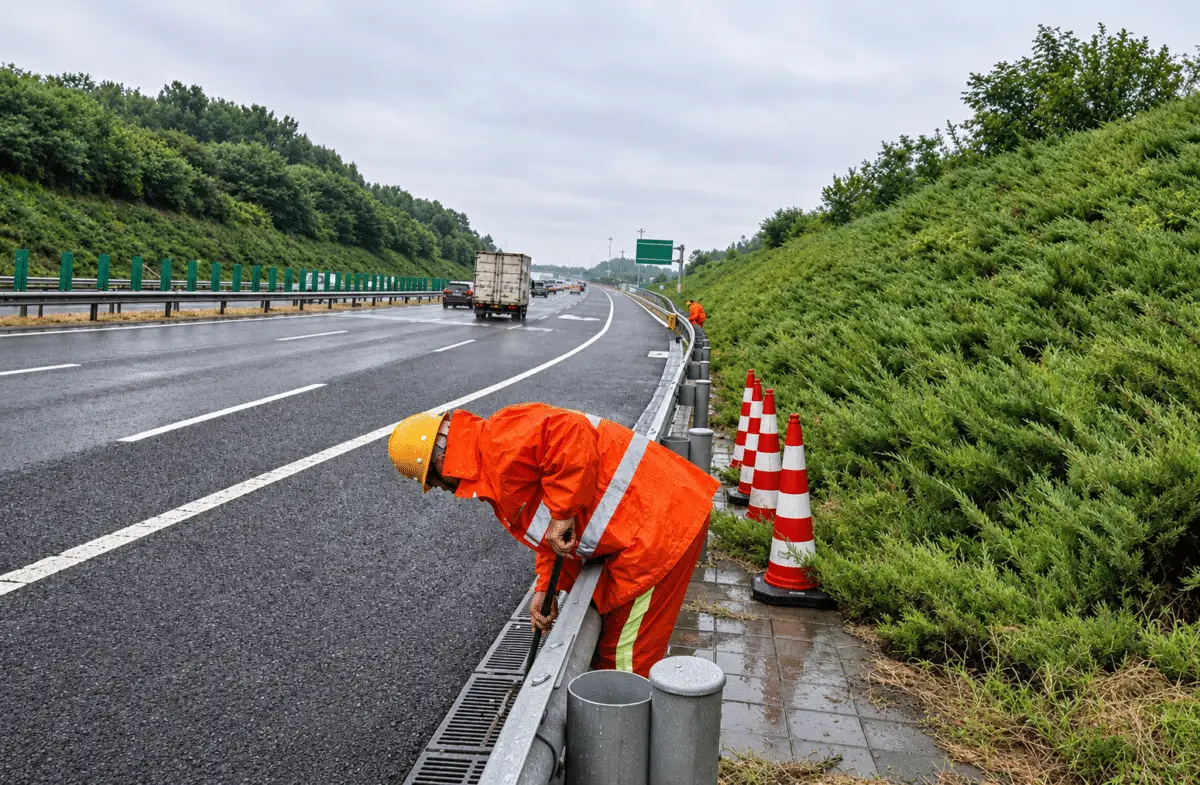
Blocked drains, leaking joints, accumulated debris and vegetation that prevents surfaces from drying can prolong wet conditions around steel components. FHWA’s technical advisory on uncoated weathering steel recommends maintaining drainage and removing deposits and vegetation that retain moisture. Its scope is weathering-steel highway structures; it is a reference for understanding drainage and corrosion management, not a universal repair specification for every guardrail system. See the FHWA technical advisory.
Keep maintenance records useful
A practical record can connect one-time impact damage with longer-term exposure conditions. For each inspection or repair, project files can record the affected location, existing system configuration, observed damage, action taken, replacement components and follow-up results. Over time, this information may help identify recurring damage or locations where drainage and routine maintenance deserve attention.
In China, a February 2026 Ministry of Transport notice issued a trial guide for highway bridge safety-risk identification and hazard checks, asking provincial transport authorities to carry out the work in light of local conditions. This provides management context; it is separate from the cited research and does not make its case findings universal. Read the Ministry notice.
For bridge guardrail maintenance, resilience is not demonstrated by a single inspection or repair. It depends on whether impact damage is assessed, water-related conditions are managed and the work is documented well enough for the project team to verify the system’s condition over time.